
Beauty & Skincare
How to Look Younger Naturally: What Actually Makes a Difference
Looking younger naturally isn’t about trying to look 20 again. Here’s what I think actually makes a difference, from skincare and sleep to strength, energy, hair and your smile.
By Lena Sokolov
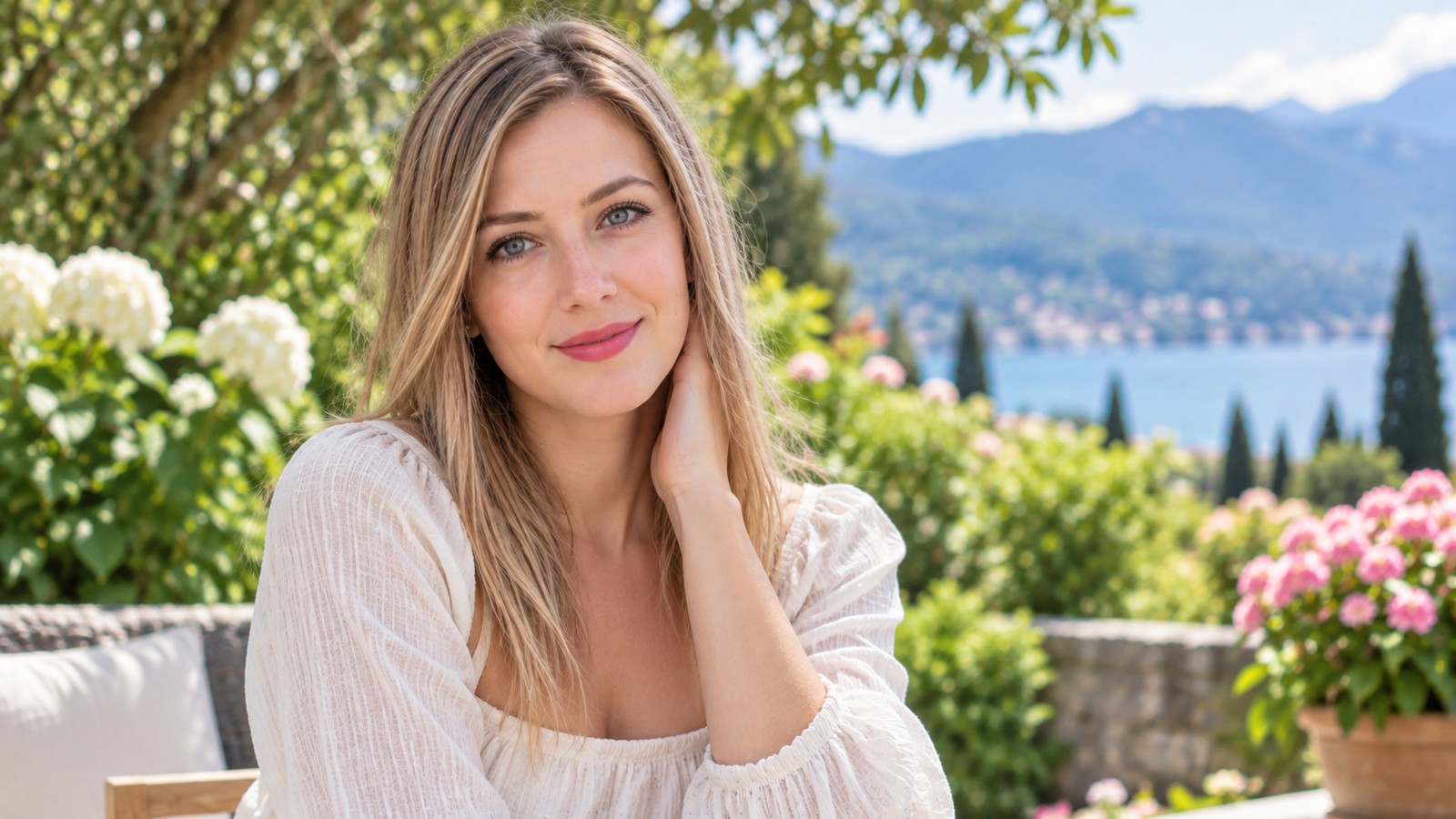
I think there's an important difference between wanting to look younger and wanting to look 20 again.
I don't want to look 20 again.
I want to look healthy. I want my skin to look smooth and well cared for. I want energy. I want to stay strong. I want healthy looking hair, bright eyes and a nice smile. I want to take care of my hands and the rest of my body instead of putting all my attention on my face.
Most importantly, I still want to look like myself.
That's what looking younger naturally means to me.
And when I say naturally, I don't mean that every skincare product has to be labeled natural or that cosmetic treatments are somehow bad. Those are personal choices.
I mean starting with the everyday things we can actually control: how we care for our skin, protect it from the sun, sleep, move our bodies, eat, care for our hair and smile, and generally take care of ourselves.
You don't have to wait until you're 50 to start thinking about this either.
For many women, our 30s are when we first begin noticing small changes. By our 40s and beyond, some of those changes may become more noticeable.
That's why I think taking care of ourselves earlier makes much more sense than waiting until one day we suddenly decide we need to “fix” aging.
Looking Younger Isn't Just About Wrinkles
When we talk about looking younger, wrinkles seem to get almost all the attention.
I don't think that's the whole picture.
Think about a woman you've met who looked incredibly youthful for her age.
Was it really because she had absolutely no wrinkles?
Probably not.
You notice her skin.
Her eyes.
Her hair.
Her smile.
The way she stands and moves.
Her energy.
The way she takes care of herself.
A woman can have some wrinkles and still look very youthful.
And someone can have very few wrinkles but look tired, dull or older than she feels.
That's why I don't want my entire approach to aging to become a war against every line on my face.
I care much more about the overall picture.
Protect Your Skin From the Sun
If we're going to talk about keeping skin looking youthful, sun protection has to be near the top.
Repeated ultraviolet exposure contributes to premature skin aging, including wrinkles, uneven pigmentation and changes in skin texture. Dermatologists recommend broad spectrum, water resistant SPF 30 or higher as part of protecting exposed skin.
And sunscreen isn't only for the face.
Think about the areas that receive sun exposure over and over:
Face
Neck
Chest
Hands
Hands are especially easy to forget.
We can spend a lot of money taking care of our faces and then leave our hands completely unprotected.
I wrote more about this in How to Make Your Hands Look Younger: My Simple Hand Care Routine, because I think our hands deserve some attention too.
You Don't Need 15 Skincare Products
I love skincare.
But I don't believe that the more products you own, the younger you're automatically going to look.
A good skincare routine doesn't need to become a second job.
My basic philosophy is:
Cleanse.
Tone.
Treat.
Moisturize.
Protect.
Then treatments can be added depending on what your skin actually needs.
Consistency matters more to me than having a bathroom counter filled with products I barely use.
That's also why I created my Essential Skincare Guide for women in their 30s and beyond. I wanted to make skincare easier to understand: what the basic steps are, what order they go in and where treatments fit.
If you're completely new to skincare, you can also start with Skincare Routine for Beginners: Where to Start When You Don't Know What You Need.
And if you'd like to focus specifically on your skin, I go much deeper into that in How to Get Younger Looking Skin: What Actually Makes a Difference.
Moisturized Skin Usually Looks Better Than Neglected Skin
This sounds almost too simple, but sometimes simple things make a visible difference.
As skin becomes dry, fine lines can appear more noticeable. Moisturizer can temporarily plump the skin and make some fine lines less visible, although it doesn't permanently remove wrinkles.
That's an important distinction.
A moisturizer isn't a facelift in a jar.
It doesn't need to be.
Sometimes the goal is simply to help your skin look and feel hydrated, comfortable and healthy.
I would rather consistently moisturize my skin than continually chase products making dramatic promises.
Treatments Can Help, but Be Realistic About What They Do
There are skincare ingredients with better evidence behind them than others.
Retinoids, for example, can help with signs of photoaging such as fine lines, pigmentation and skin texture, although they can also cause dryness and irritation and aren't appropriate for everyone.
Vitamin C, exfoliating ingredients and other treatments may also have a place depending on your skin and what you're trying to accomplish.
But I don't think every woman needs every active ingredient.
And I definitely don't think you need to introduce everything at once.
Skincare should help your skin.
If your face is constantly burning, peeling and irritated because you're desperately trying to look younger, something has gone wrong.
Exfoliate, but Don't Assume More Is Better
Exfoliation is something I personally include in my skincare routine.
I use facial dry brushing, and I actually use fairly heavy pressure because that's what my own skin tolerates well.
That's my skin.
It doesn't mean everyone should automatically copy the amount of pressure I use.
Physical and chemical exfoliation can irritate the skin when they're too aggressive or used too frequently, particularly for sensitive or already irritated skin.
I go into this much more deeply in How Often Should You Exfoliate Your Face? What Women Over 30 Should Know.
The important point is that younger looking skin isn't irritated skin.
You don't have to hurt your face to prove your skincare is working.
Pay Attention to Your Eyes
Sometimes the thing making us look tired isn't a wrinkle.
It's puffiness.
This is something I've personally noticed more as I've gotten older.
The area around our eyes can make an enormous difference in how rested we appear.
And sometimes the explanation is very ordinary.
Poor sleep.
Allergies.
Fluid retention.
A salty meal.
A difficult night.
Cold compresses and other simple approaches may temporarily help with puffiness depending on the cause, but persistent under eye bags caused by structural changes are different from temporary morning swelling.
I explain the difference in How to Get Rid of Puffy Eyes: What I Do When My Eyes Look Tired and Swollen.
I think that's an important part of looking youthful too.
Sometimes we don't need to erase a wrinkle.
We just need to look more rested.
Sleep Shows Up on Your Face and in Your Energy
This one has become much more personal for me in my 40s.
Sometimes I need an afternoon nap.
And then bedtime comes and, strangely enough, I can have trouble falling asleep.
I've also experienced premenopausal changes such as sweating at night.
When I don't sleep well, I don't only feel it.
I can see it.
My eyes can look more tired. I don't have the same energy. I don't feel as fresh.
I've found several things that help me personally, including taking an evening walk, having a hot bath or shower and trying not to eat too close to bedtime.
Sometimes I use melatonin as well, although that's something I use personally rather than something I recommend automatically for everyone.
I wrote much more about my experience in Why Am I So Tired in My 40s? Common Reasons Women Have Less Energy.
And I think this is a good reminder that looking youthful isn't purely cosmetic.
How we feel affects how we present ourselves too.
Don't Forget Your Hands
I've talked about this before because I think hands are one of the most forgotten parts of beauty routines.
We put serum on our face.
Cream on our face.
Sunscreen on our face.
Masks on our face.
And meanwhile, our hands are exposed to sun, water, soap, cleaning products and everyday life.
In my own routine, I use dry brushing on my hands and follow it with moisturizer or oil.
But one of the biggest modern additions I'd make to any hand care routine is sun protection.
If younger looking hands matter to you, don't care for your face beautifully and completely forget what's happening below your wrists.
What About Facial Exercises?
Facial exercises are something I've become more interested in as I've gotten older.
For me, the changes I've noticed aren't primarily wrinkles. I've become more aware of puffiness and changes in firmness.
That's one reason facial exercises interest me.
But this is another area where I don't want to make promises the evidence can't support.
A small study of middle aged women found improvements in cheek fullness after a facial exercise program, but the study was small, had no control group and didn't show significant improvement across many wrinkle measurements. More research is needed before we can say exactly what facial exercise can accomplish.
I still include facial exercises because I enjoy them and they're part of how I take care of myself.
But I don't tell women:
Do face yoga and you won't age.
If you're curious, read Does Face Yoga Work? What Facial Exercises Can and Can't Do for an Aging Face.
Keep Your Body Strong
This may seem strange in an article about looking younger.
I don't think it is.
We spend so much time talking about anti aging skincare that sometimes we forget there's an entire body attached to our face.
I don't want to take beautiful care of my skin while ignoring my strength, mobility and physical health.
Strength affects what we can do.
It helps us carry things, climb stairs, hike, travel and continue doing normal everyday activities.
And the way we stand, walk and carry ourselves contributes to the overall impression of vitality too.
This isn't about being skinny.
Thin and youthful aren't synonyms.
My goal is to remain strong and capable.
If you're interested in starting, I've written Strength Training for Women Over 40: How to Start and Get Stronger.
Move Your Body
I enjoy hiking, tennis, ice skating and playing golf with my kids.
I like activities that don't always feel as though I'm exercising simply for the sake of exercising.
Sometimes I'm moving because I'm outside enjoying myself.
That's the kind of fitness I want to continue as I get older.
Movement supports health and physical function, and regular physical activity remains important throughout adulthood. Current U.S. guidelines recommend both aerobic activity and muscle strengthening rather than focusing exclusively on one type of exercise.
I talk more about that in How to Stay Fit After 40: Simple Ways to Stay Strong and Active.
You don't have to make fitness your entire personality.
Just keep moving.
Posture Changes the Whole Picture
This is something we can forget because we spend so much time looking at our faces in mirrors.
How are you standing?
How are you walking?
Are your shoulders constantly rounded forward because you've spent the entire day looking at a computer or phone?
I'm not saying good posture literally reverses aging.
It doesn't.
But the way we carry ourselves changes our overall appearance immediately.
Standing comfortably upright can make us look more confident and energetic.
And maintaining strength and mobility helps support the way we move through everyday life.
Looking youthful isn't only something that happens from the neck up.
Take Care of Your Hair
Hair frames your face.
That's why I think it deserves a place in this conversation.
Hair can change with age, hormones, health and many other factors.
But even without trying to look dramatically younger, a flattering haircut, healthy looking hair and a color that works with your complexion can change your entire appearance.
I don't think there's one hairstyle women are supposed to have after a certain birthday.
I don't believe that once you're 40 you're suddenly required to cut your hair short.
Wear your hair in a way that makes you feel attractive and like yourself.
And if you notice significant or sudden hair thinning, that's different from simply changing your hairstyle. It's worth discussing with an appropriate healthcare professional because hair loss can have many possible causes.
Your Smile Matters Too
When someone smiles, we aren't counting the lines around her eyes.
We're seeing the whole person.
A healthy, well cared for smile contributes to an overall fresh appearance.
Dental hygiene obviously comes first.
Cosmetic things such as whitening are optional.
I personally like taking care of the appearance of my teeth too, but I don't think everyone needs perfectly white teeth to look youthful.
The goal isn't perfection.
It's looking cared for.
Makeup Should Make You Look Like You
Makeup can be wonderful.
But sometimes when we're worried about aging, our instinct is to add more.
More foundation.
More concealer.
More powder.
More coverage.
Sometimes more isn't what makes us look fresher.
As skin changes, heavy products can settle into texture and lines and make us more conscious of the very things we're trying to hide.
I prefer the idea of makeup enhancing the face rather than trying to completely replace it.
Healthy looking skin.
A little color.
Defined eyes.
A flattering lip.
Whatever makes you feel beautiful.
I think makeup after 40 or makeup for mature skin deserves its own article eventually because there's much more we could talk about there.
You Don't Need Botox to Take Care of Your Appearance
Botox and other cosmetic procedures are personal choices.
Some women love them.
Some women aren't interested.
Some women may decide to use them later.
I don't think we need to turn that into a moral issue.
But I also don't think women should feel that once they reach a certain age, cosmetic procedures become mandatory.
There are many things we can do to care for our appearance without procedures.
At the same time, skincare, facial exercises, silicone patches and healthy habits don't reproduce the exact effects of medical cosmetic procedures.
I think we can be realistic about both sides.
You don't need Botox to be beautiful.
And you don't need to pretend a moisturizer does what Botox does either.
What You Eat Matters, but Don't Turn Food Into an Anti Aging Obsession
I enjoy healthy food.
I make fresh green juice.
I like vegetables and fruits.
I think what we eat is part of taking care of our bodies.
But I don't want to turn every meal into:
Will this make me look younger?
Food has a much bigger purpose than being another beauty treatment.
I would rather focus on eating a varied, nourishing diet, getting enough protein, including fruits and vegetables and drinking enough fluids than chase one supposedly miraculous anti aging food.
Sometimes I make my green juice with apple, cucumber, lemon, celery and romaine lettuce because I enjoy it and personally feel good drinking it.
That doesn't mean green juice reverses aging.
It's simply one healthy habit I enjoy.
Be Careful With “Anti Aging” Supplements
This is an area where marketing can become very convincing.
A supplement promises better skin.
Another promises thicker hair.
Another promises more energy.
Another promises collagen.
Suddenly you have 12 bottles sitting in your kitchen.
I don't think supplements should automatically be treated as the answer to getting older.
Some people genuinely need particular nutrients or supplements.
But that's different from taking everything marketed as anti aging.
More isn't automatically healthier.
And “natural” doesn't automatically mean effective or risk free.
Looking Younger Is Also About Energy
I think we underestimate this.
Someone can have beautiful skin and still look exhausted.
Energy changes the way we move, talk and interact.
It's one reason I care about sleep.
It's one reason I stay active.
It's one reason I care about maintaining strength.
And it's one reason I pay attention when my energy isn't what it used to be.
Sometimes looking more youthful starts with something that has absolutely nothing to do with your bathroom cabinet.
Stop Trying to Fix Everything at Once
This might be the most important advice I can give.
You notice a wrinkle.
Then your hands.
Then your hair.
Then you think your face is sagging.
Then you don't like your teeth.
Then you decide your body needs changing.
Suddenly taking care of yourself has turned into finding things wrong with yourself.
I don't want that.
Aging is going to happen.
The goal isn't to inspect yourself every morning looking for evidence.
Take care of yourself because you live in this body.
Use sunscreen.
Take care of your skin.
Move.
Stay strong.
Sleep.
Eat reasonably well.
Take care of your hair and teeth.
Wear makeup if you enjoy it.
Wear clothes that make you feel good.
And then go live your life.
So, How Do You Look Younger Naturally?
If I had to simplify this entire article, I wouldn't give you a miracle product.
I'd tell you to start here:
Protect your skin from the sun.
Follow a consistent skincare routine.
Keep your skin moisturized.
Pay attention to your eyes and hands too.
Sleep as well as you can.
Stay active.
Maintain your strength.
Take care of your hair and smile.
Eat in a way that supports your overall health.
Use makeup to enhance yourself rather than hide yourself.
And don't assume every normal sign of getting older needs to be eliminated.
My Final Thoughts
I don't want to erase every sign that I've lived.
I don't need to look 20.
I want healthy skin.
I want energy.
I want to stay strong.
I want to take care of my hair, my hands and my smile.
I want to stand tall and feel good in my body.
And yes, I want to continue looking youthful as I get older.
I don't think there's anything wrong with saying that.
But most of all, I still want to look like myself.
Not a younger person's face.
Not somebody else's face.
Me.
Just a healthy, well cared for version of myself as I get older.
And to me, that's what looking younger naturally is really about.
Want to Start With Your Skin?
If you're in your 30s or beyond and aren't sure what your skincare routine should include, download my Essential Skincare Guide. I walk through the basic steps of a skincare routine, the order to use your products and some of the treatments I personally include in my own routine.
You can also visit Beauty Favorites to see some of the skincare and beauty products I personally use and recommend.
This article shares my personal approach and is for general educational purposes. It isn't medical advice. Skin, hair, sleep, fatigue and other changes can sometimes have medical causes, so significant, persistent or concerning changes should be discussed with an appropriate healthcare professional.
You Might Also Like
Beauty & Skincare
Skincare Routine for Beginners: Where to Start When You Don’t Know What You Need
Skincare can feel overwhelming when you’re just starting. Here’s how to build a simple routine around the basics your skin actually needs.
Read More
Beauty & Skincare
Skincare in Your 40s: What I’ve Changed in My Own Routine
My skincare routine hasn’t necessarily become more complicated in my 40s, but my focus has changed. Here’s what I’m doing differently for puffiness, firmness, moisture, and healthy-looking skin.
Read More
Beauty & Skincare
How to Make Your Hands Look Younger: My Simple Hand-Care Routine
Our hands can show signs of aging too. Here’s the simple routine I use to exfoliate, moisturize, protect, and care for my hands as I get older.
Read More