
Fitness
How to Stay Fit After 40: Simple Ways to Stay Strong and Active
Staying fit after 40 doesn't have to mean living at the gym. Here are simple ways to stay strong, active and mobile while doing more of the things you enjoy.
By Lena Sokolov
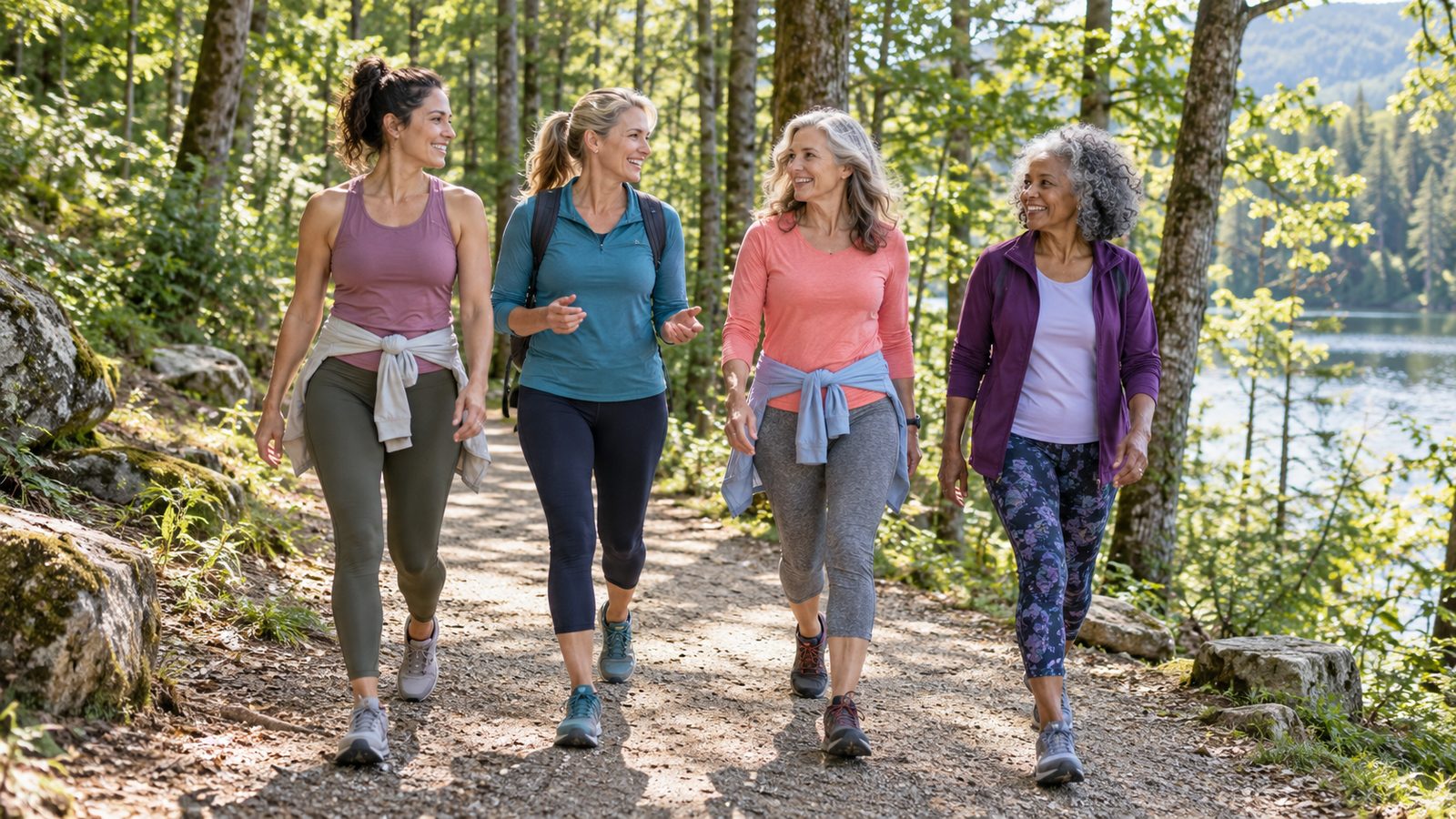
As I've gotten older, I've realized that staying fit doesn't necessarily mean spending more time in a gym or pushing myself through workouts I don't enjoy.
For me, staying active is much more about continuing to move and finding activities I actually enjoy enough to keep doing.
I like hiking. I enjoy tennis. I ice skate. I play golf with my kids. Some of those activities feel like exercise, and some of them simply feel like I'm having a good time.
And I think that's important.
When we talk about fitness after 40, the conversation often turns immediately to losing weight, fixing our metabolism or trying to get back the body we had when we were 25.
That's not how I want to think about it.
I want to stay strong. I want energy. I want to be able to move comfortably, travel, walk, hike, play sports and continue doing the things I enjoy as I get older.
And the good news is that staying fit after 40 doesn't have to become complicated.
Does Fitness Really Change After 40?
Forty isn't some magical birthday when your body suddenly stops working the way it used to.
But our bodies do gradually change as we get older.
Maintaining muscle becomes increasingly important. Bone health matters. Recovery may feel different. And if we spend most of our days sitting, it becomes very easy for our overall activity level to decrease without even realizing it.
That's why I think fitness after 40 should be less about punishing workouts and more about maintaining what we want our bodies to keep doing.
If I want strong legs later, I need to use them now.
If I want to maintain strength, I need to challenge my muscles.
If I want to remain mobile, I need to keep moving.
It sounds simple because, in many ways, it is.
You Don't Have to Live at the Gym
One of the biggest reasons people struggle with exercise is that we make it too complicated.
We decide we're going to completely change our lives.
Five workouts a week. An hour every morning. A new diet. New equipment. New clothes.
And then real life happens.
I would rather build movement into a life I actually enjoy.
For me, that can mean going hiking, playing tennis, ice skating or walking around a golf course with my kids.
For someone else, it might be swimming, cycling, dancing, gardening or simply taking a brisk walk every evening.
The best form of exercise isn't necessarily the one that looks most impressive.
It's the one you'll actually continue doing.
Walking Counts
Don't underestimate walking because it seems too simple.
Brisk walking is a legitimate form of moderate aerobic activity, and you don't need special equipment or a membership to do it.
Current U.S. physical activity guidelines recommend that adults work toward at least 150 minutes of moderate intensity aerobic activity each week, along with muscle strengthening activity on at least two days.
That doesn't mean you need to start with 150 minutes if you aren't active now.
Start where you are.
Even a short walk is movement.
You can gradually walk farther, walk faster or add more days as your fitness improves.
I think that's much more realistic than deciding on Monday that you're suddenly going to become a completely different person.
After 40, Don't Forget About Strength
This is one area I think women especially shouldn't overlook.
Cardio gets a lot of attention because we associate exercise with burning calories, but maintaining muscle matters as we get older.
Current exercise guidance recommends muscle strengthening activities at least two days each week.
And strength training doesn't necessarily mean lifting enormous weights at a gym.
Resistance can come from dumbbells, resistance bands, weight machines or exercises using your own body weight.
The important thing is that your muscles actually have something to work against.
You could include movements that strengthen your legs, hips, back, abdomen, chest, shoulders and arms.
For someone who hasn't strength trained before, starting simple is completely fine.
Why Strength Matters Beyond Appearance
I like looking healthy, of course.
But I don't want strength training to become another beauty requirement for women.
Muscle is useful.
Strong legs help us climb stairs, hike and get up from the floor.
Strong arms help us lift and carry things.
A strong body makes everyday life easier.
Maintaining strength also becomes increasingly relevant as we age because adults gradually lose muscle mass over time, particularly when we're inactive.
So my goal isn't:
How muscular can I look?
It's:
How capable can I stay?
That's a completely different way of thinking about fitness.
Exercise Isn't the Only Movement That Counts
There's another part of staying active that we don't talk about enough.
What happens during the other hours of your day?
You might exercise for 30 minutes and then spend almost everything else sitting.
Everyday movement matters too.
Walking through a store, cleaning the house, doing yard work, taking stairs, carrying groceries, gardening and simply getting up and moving around during the day all keep us from being completely sedentary.
That doesn't mean housework replaces strength training or that walking around your kitchen gives you the same cardiovascular workout as a brisk walk.
It simply means movement doesn't only happen when you're wearing workout clothes.
I like that idea because it makes an active lifestyle feel much more achievable.
Find Activities You Actually Enjoy
This may be one of the biggest reasons I've been able to stay active.
I don't think all movement has to feel like a workout.
Take hiking.
Yes, I'm walking. I'm using my legs. My heart rate can increase, especially on hills.
But I'm also outside enjoying nature.
Tennis is exercise, but I'm thinking about hitting the ball.
Ice skating uses my legs and challenges balance, but I'm skating because I enjoy skating.
Golf gets me outside and moving, and when I'm doing it with my kids, it becomes family time too.
That's the kind of fitness I want in my life.
Movement connected to living.
Not just exercise for the sake of checking something off a list.
Cardio Still Matters After 40
Strength is important, but we shouldn't forget our heart and lungs.
Activities such as brisk walking, hiking, cycling, swimming, tennis and many other sports can contribute to aerobic fitness depending on their intensity.
You don't necessarily have to separate your life into:
Now I'm doing cardio.
Now I'm exercising.
If you're moving enough to raise your heart rate and breathing, you're already doing something for your cardiovascular fitness.
The goal is to find ways to do that regularly.
What About High Intensity Exercise After 40?
Turning 40 doesn't mean you suddenly have to stop running, doing hard workouts or challenging yourself.
Healthy adults over 40 can still do vigorous exercise.
But I do think getting older makes it even more important to pay attention to where you're starting.
Someone who has been running for 15 years is in a very different situation from someone who has been mostly inactive and decides to start doing extremely intense workouts tomorrow.
Build gradually.
Pay attention to pain and injuries.
Allow yourself appropriate recovery.
And if you have a medical condition or haven't exercised in a long time, it may be worth talking with your healthcare professional before starting a particularly strenuous program.
You can challenge yourself without fighting your body.
Don't Forget About Balance
Balance is another part of fitness that becomes increasingly valuable as we get older.
And I think this is one of those things we often don't appreciate until we start losing some of it.
Activities that challenge balance can help us continue practicing that skill.
Interestingly, some activities naturally require it.
Ice skating certainly does.
Hiking over uneven terrain does too.
There are also simple balance exercises you can practice intentionally.
You don't have to wait until you're much older to start thinking about balance.
Flexibility and Mobility Matter Too
I don't need to be able to do a perfect split.
What I care about is being able to move comfortably.
Can I reach?
Can I bend?
Can I turn?
Can I get down and back up?
Can I move through everyday life without feeling like my body is becoming increasingly stiff?
Stretching and mobility work can help maintain our range of motion, especially when combined with regular activity.
This is another area where a little consistency can be much more useful than occasionally doing something extreme.
What If You Haven't Exercised in Years?
Then don't begin by comparing yourself with someone who's been exercising for years.
Start small.
Maybe that's a 10 minute walk.
Maybe it's a beginner strength routine twice a week.
Maybe you take a class because you know you'll be more likely to exercise when other people are there.
Maybe you find a friend to walk with.
Your starting point doesn't have to look impressive.
It just has to be a starting point.
One of the worst things we can do is decide that because we can't do everything, there's no point doing anything.
There is.
Do You Need to Exercise Every Day?
You don't need a difficult workout seven days a week to be healthy.
What I like better is the idea of making movement part of most days, while intentionally including both aerobic activity and strength during the week.
Some days can be harder.
Some can be lighter.
Some days your movement might simply be a walk.
Your body also needs recovery, particularly after more demanding exercise.
Consistency matters much more to me than trying to create a perfect streak.
Staying Fit After 40 Isn't Just About Weight
I really want to emphasize this.
Your scale cannot tell you everything about your fitness.
Two women can weigh exactly the same amount and have completely different levels of strength, endurance and mobility.
That's why I don't want my motivation for staying active to be only:
I don't want to gain weight.
I'd rather ask:
Do I have energy?
Am I getting stronger?
Can I walk farther?
Can I hike without feeling exhausted?
Can I keep up when I'm playing a sport?
Do everyday activities feel easier?
Do I feel good in my body?
Those are meaningful signs too.
You Don't Have to Exercise Like You're 20
There's a strange message around aging that tells us we're supposed to somehow prove that we're still young.
I don't think that's necessary.
I don't need to exercise like I'm 20.
I want to exercise in a way that helps me feel good now and helps my body continue working well later.
That may mean being smarter about recovery.
It may mean choosing activities I enjoy more.
It may mean paying closer attention to strength and mobility.
None of that means giving up.
It means thinking long term.
My Simple Approach to Fitness After 40
If I had to simplify everything I think matters, it would come down to four things:
Move your heart.
Walk briskly, hike, play tennis, cycle, swim or find another activity that gets you breathing harder.
Keep your muscles strong.
Include resistance training regularly instead of relying only on cardio.
Keep your body mobile.
Move through a variety of ranges of motion and pay attention to flexibility and balance.
Do things you enjoy.
Because the perfect exercise routine isn't very useful if you hate it so much that you stop doing it.
How to Stay Fit After 40 Without Making Fitness Your Whole Life
I think this is the part that matters most to me.
I want to take care of myself.
I want healthy skin. I want to eat well. I want to stay strong and active.
But I also want to live my life.
I don't want every meal to become a nutrition calculation and every activity to become a workout.
Sometimes I want to hike because it's beautiful outside.
Sometimes I want to play tennis because it's fun.
Sometimes I want to go ice skating.
Sometimes I want to play golf with my kids.
Those things happen to be good ways to move my body, but they're also simply things I enjoy doing.
And maybe that's one of the secrets to staying active as we get older.
Don't only look for exercise.
Build a life that gives you reasons to move.
My Final Thoughts
You don't have to become a completely different person when you turn 40.
You don't need the most expensive gym.
You don't need to exercise for hours every day.
And you definitely don't need to punish yourself because your body is getting older.
Start with movement.
Walk.
Keep your muscles strong.
Work on mobility and balance.
Try new activities.
Keep doing the ones you love.
And when possible, make movement part of something else that's meaningful: time outside, time with friends, time with your family or simply a little time for yourself.
For me, staying youthful isn't about pretending I'm not getting older.
It's about taking care of the body I have so I can keep doing the things I love for as long as possible.
And that is a much better reason to stay active.
This article is for general educational purposes and isn't individualized medical or fitness advice. If you have a medical condition, injury, significant pain or have been inactive for a long period, talk with an appropriate healthcare professional before beginning a new exercise program.
You Might Also Like
Fitness
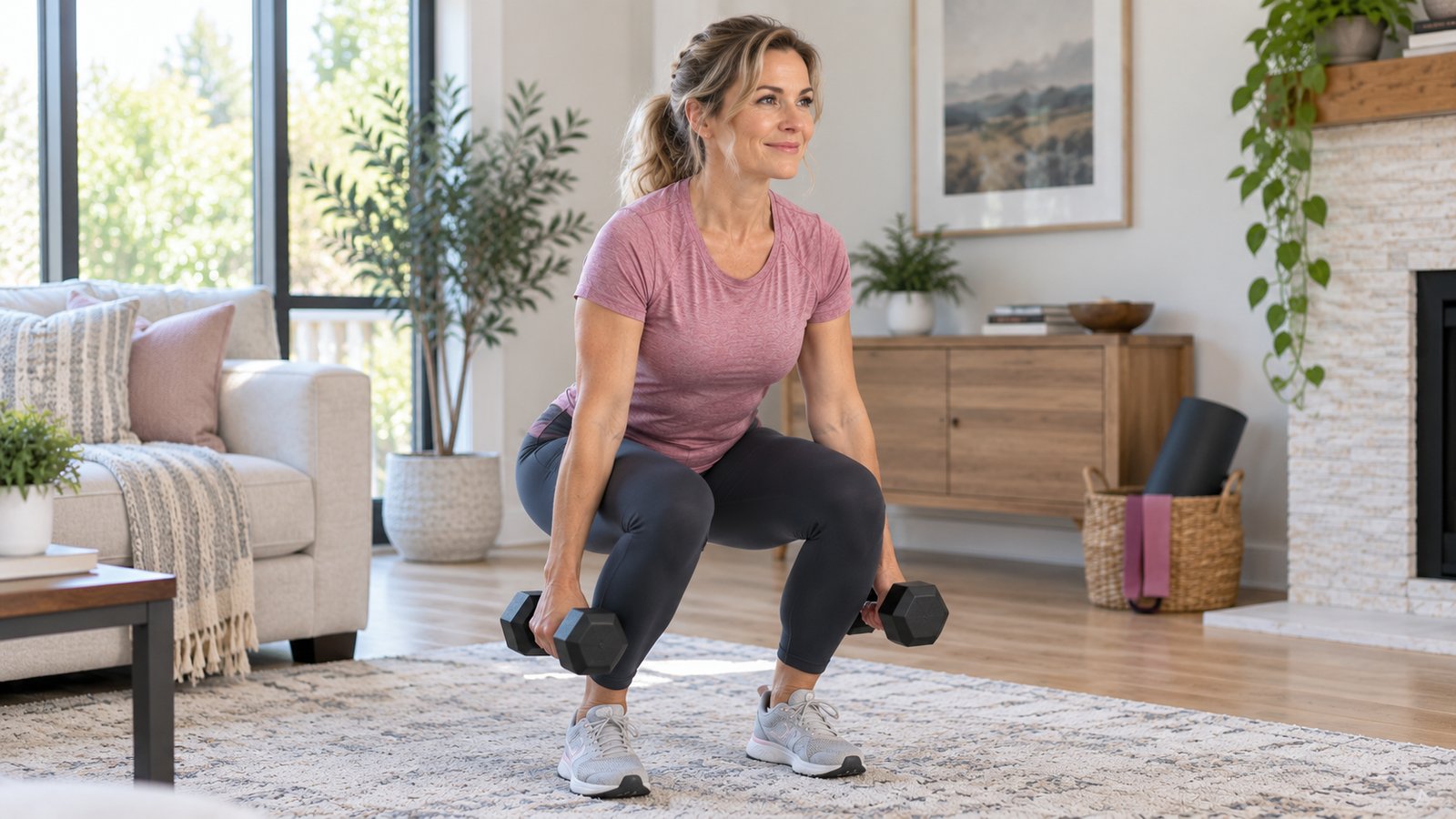
Strength Training for Women Over 40: How to Start and Get Stronger
New to strength training after 40? Here's how to start simply, choose the right resistance and gradually build strength for everyday life.
Read More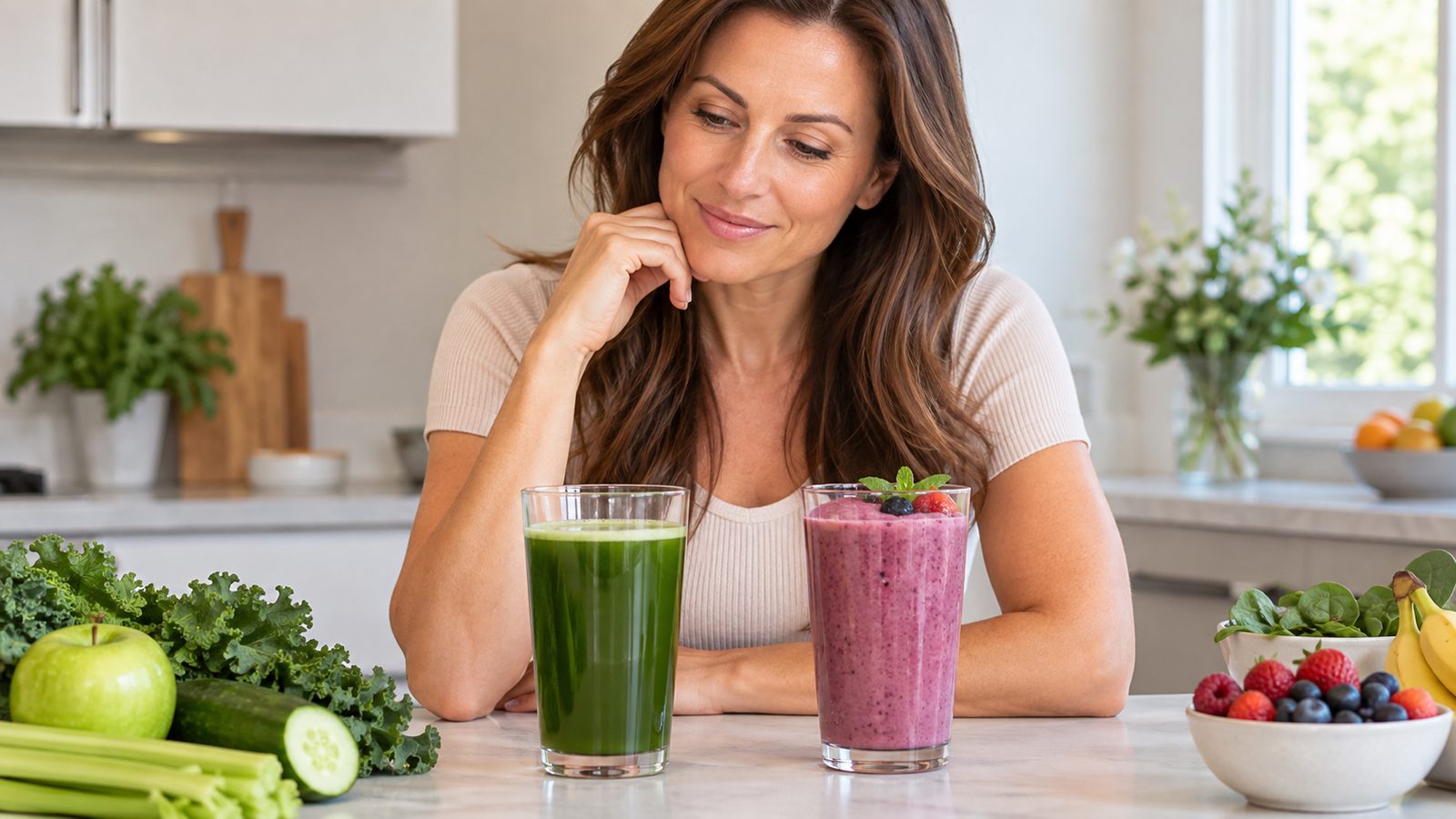
Juicing & Smoothies
Juicing vs. Smoothies: Which Is Better for You?
Juicing vs. smoothies: what's really the difference? Learn how they compare for fiber, nutrients, fullness, sugar and digestion, and when I choose each one.
Read More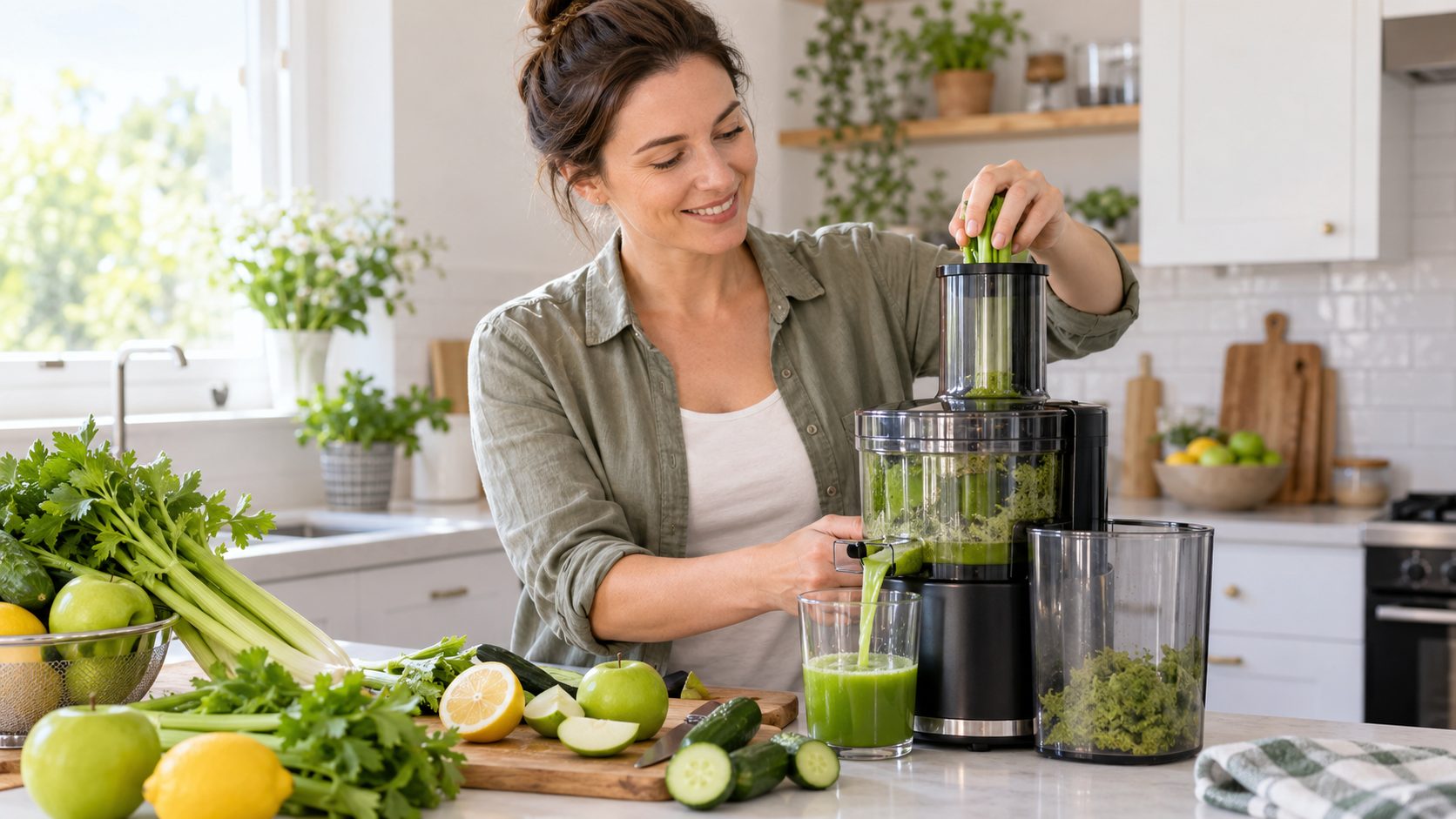
Juicing & Smoothies
Juicing for Beginners: How to Start, What to Juice and Easy Recipes to Try
New to juicing? Here's how I would start, including what fruits and vegetables to use, how to make vegetable juice taste good and three easy recipes to try.
Read More