
Juicing & Smoothies
What Can You Make in a Vitamix? 10 Healthy Ideas Beyond Smoothies
What can you make in a Vitamix besides smoothies? Discover 10 practical ideas including soups, hummus, nut butter, dressings, sauces and frozen fruit desserts.
By Lena Sokolov
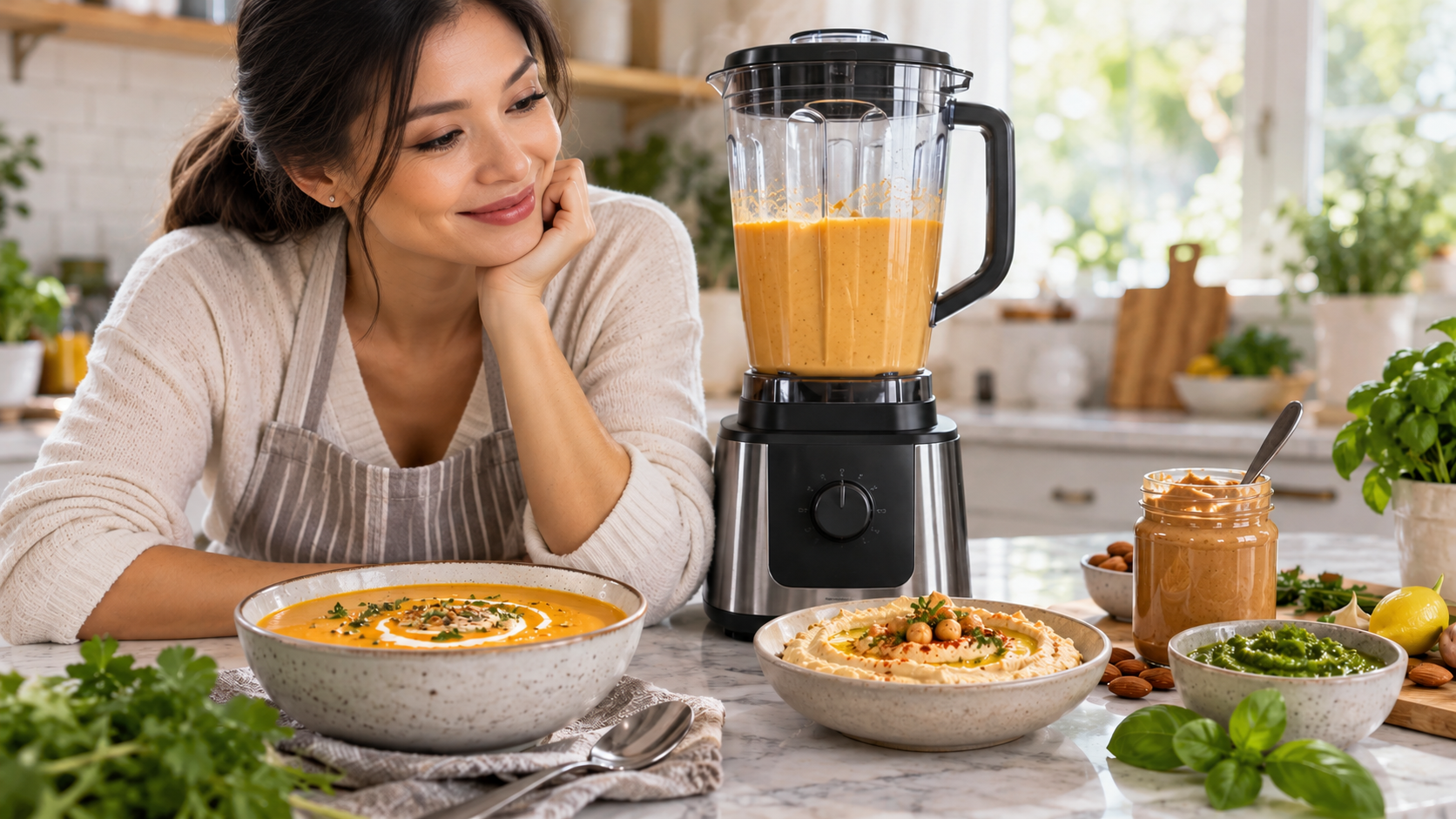
When most people think about a Vitamix, the first thing that comes to mind is probably a smoothie.
And yes, smoothies are one of the things I love using a powerful blender for. Frozen berries, leafy greens, seeds, yogurt, nuts — ingredients that can sometimes leave a regular smoothie gritty can blend into a much smoother texture.
But if you're going to invest in a good blender, it makes sense to use it for more than one thing.
That's what I like about a Vitamix. It isn't something that has to sit in the kitchen waiting for your next smoothie. You can use it for soups, hummus, nut butter, dressings, sauces, frozen fruit desserts and many other foods.
If you're trying to eat more whole foods and prepare more things at home, here are 10 practical ways to use a Vitamix beyond smoothies.
1. Creamy Vegetable Soups
This is probably one of the most surprising things you can make in a Vitamix.
Certain Vitamix blenders can turn prepared ingredients into a steaming-hot soup simply through the friction created by the fast-moving blades.
That doesn't mean the blender sautés an onion or roasts your vegetables for you. Depending on the recipe, vegetables may need to be cooked first.
But once your ingredients are prepared, you can blend them into an incredibly smooth soup and, with compatible Vitamix models and recipes, continue blending until the soup becomes hot.
Think about soups such as:
- Butternut squash
- Tomato
- Carrot
- Broccoli
- Cauliflower
- Roasted red pepper
I especially like this idea because soup is such an easy way to eat more vegetables.
And homemade soup gives you control over what goes into it. You can adjust the salt, seasonings, creaminess and ingredients to your own preferences.
2. Homemade Hummus
Hummus is another food that's surprisingly easy to make in a high-powered blender.
Chickpeas, tahini or sesame seeds, lemon, garlic, olive oil and seasonings can be blended into a smooth, creamy dip.
Once you learn the basic recipe, it's also easy to experiment.
You could add roasted red pepper, herbs, extra garlic or different seasonings.
Serve it with vegetables, spread it on a sandwich or wrap, or add a spoonful to a bowl or salad.
This is the kind of food I like making at home because the ingredient list can be incredibly simple.
3. Nut and Seed Butters
Peanut butter doesn't have to come from a jar.
A Vitamix can grind nuts into creamy nut butter, including peanut, almond and mixed nut butters.
Thick mixtures like nut butter are also a good example of why the Vitamix tamper is useful. It helps move ingredients toward the blades while the blender is running.
Depending on the nuts and recipe, you can make combinations such as:
- Peanut butter
- Almond butter
- Cashew butter
- Mixed nut butter
- Nut and seed combinations
And because you're making it yourself, you decide what goes into it.
Maybe you want just nuts. Maybe you like a little cinnamon. Maybe you prefer a touch of sweetness.
You can make it the way you actually enjoy eating it.
4. Homemade Salad Dressings
This might be one of the most practical uses because salad dressing is something many of us use all the time.
A blender makes it easy to emulsify ingredients that normally want to separate.
You can make dressings using combinations of:
- Olive oil
- Lemon or lime
- Vinegar
- Fresh herbs
- Garlic
- Avocado
- Mustard
- Yogurt
- Nuts or seeds
And homemade dressing doesn't need to be complicated.
Sometimes olive oil, fresh lemon, herbs and a few seasonings are enough.
If eating more vegetables is one of your goals, finding a homemade dressing you genuinely love can make a simple salad much more enjoyable.
5. Pesto and Other Sauces
Fresh pesto is another perfect blender food.
Basil, nuts or seeds, garlic, olive oil and other ingredients can quickly become a sauce for vegetables, pasta, chicken or whatever else you're making.
But don't stop at pesto.
A powerful blender can also help with tomato sauces, creamy vegetable sauces, marinades and other homemade sauces.
This is one of the things I appreciate about having a versatile kitchen appliance.
Instead of buying a different gadget for every little job, one machine can handle many of them.
6. Salsa, Dips and Spreads
Not everything you put into a Vitamix needs to become completely smooth.
With the right technique, you can make foods with more texture too.
That makes the blender useful for things like salsa and vegetable dips as well as smooth spreads.
You can experiment with tomatoes, peppers, onions, herbs, beans, avocado and other whole-food ingredients.
For entertaining, it also means you can make several homemade dips without spending the entire afternoon in the kitchen.
And for everyday eating, having a good dip in the refrigerator makes raw vegetables a lot more interesting.
7. Homemade Non-Dairy Milk
If you drink almond, cashew or other plant-based milk, you can also make versions of them at home.
Nuts or other base ingredients are blended with water and, depending on the recipe, additional flavorings.
The exact process varies depending on what you're making, and some types may need to be strained.
This isn't necessarily something everyone needs to make from scratch. There are plenty of convenient options at the grocery store.
But if you enjoy making foods at home and knowing exactly which ingredients you're using, it's another interesting way to use your blender.
8. Frozen Fruit Desserts
This is one of the more fun uses.
Frozen fruit can be blended into a thick, spoonable frozen dessert.
Bananas work particularly well for creating a creamy texture, but you can also experiment with:
- Strawberries
- Mango
- Peaches
- Pineapple
- Mixed berries
You can combine frozen fruit with ingredients such as yogurt, milk or other additions depending on the recipe you're making.
It's not necessary to call every frozen fruit dessert “healthy ice cream.”
Sometimes it's simply frozen fruit turned into something delicious.
And that's perfectly good enough.
9. Whole-Food Blended Drinks
There's an important difference between traditional juicing and blending.
A juicer extracts liquid and leaves much of the pulp behind. When you blend whole fruits and vegetables, much more of the original food — including its fiber — stays in the drink.
That means you can make whole-food blended drinks using ingredients such as cucumber, celery, citrus, berries, leafy greens and other fruits and vegetables.
The result won't necessarily have the same texture as juice from a juicer. It's a different type of drink.
I go into the differences in more detail in my article Juicing vs. Smoothies: Which Is Better for You?
And if you're specifically interested in building a more balanced smoothie, I've also put together Healthy Smoothies for Women Over 40: What to Add and Why.
10. Batters, Grinding and Other Occasional Uses
There are also several things a Vitamix can do that you might not use every day but are still useful to know about.
Depending on your Vitamix model, container and recipe, that can include grinding grains and other dry ingredients, preparing batters and even helping make dough.
I wouldn't buy a Vitamix solely because I wanted to make flour once a year.
But this is where the versatility starts to matter.
If you're already using the blender for smoothies, soups, hummus, dressings, nut butter and frozen foods, having additional uses makes it easier to justify the space it takes up in your kitchen.
Do You Need a Vitamix to Make These Foods?
No.
I think that's important to say.
You can make many of these foods with other blenders, food processors and kitchen appliances.
The advantage of a powerful blender is that it can perform many different jobs and handle ingredients that can be more difficult for less powerful machines — especially fibrous vegetables, frozen ingredients, nuts and very thick mixtures.
Whether that's worth paying more for depends on how often you'll actually use it.
Someone who makes one simple banana smoothie every couple of weeks probably has very different needs from someone who blends frozen fruit, leafy greens, soups, sauces and nut butter several times a week.
That's why I don't think the question should simply be:
“Is a Vitamix a good blender?”
A better question is:
“Would I actually use what a Vitamix can do?”
Start With What You Already Eat
You don't need to buy a blender and suddenly start making almond milk, flour, soup, hummus and nut butter all in the same weekend.
That's usually not how lasting healthy habits work anyway.
Start with foods you already enjoy.
If you eat salads regularly, try making your own dressing.
If your family likes hummus, make a batch at home.
If you love soup in the winter, experiment with a creamy vegetable soup.
If you already make smoothies, try adding berries, greens, seeds or other whole-food ingredients.
Over time, you may discover that the blender becomes useful for far more than you originally expected.
And that's what I look for in kitchen appliances.
I don't want another gadget that does one interesting thing and then spends the rest of the year in a cabinet.
I want something that makes everyday healthy eating a little easier.
For me, that's the real appeal of a powerful blender — not that it can make an impressive list of recipes, but that one appliance can help turn simple whole ingredients into foods I actually want to eat.
This article is for general educational purposes and is not individualized medical or nutrition advice. Nutritional needs vary, and individual dietary needs may be different depending on health conditions, medications, allergies and other factors.
You Might Also Like
Juicing & Smoothies
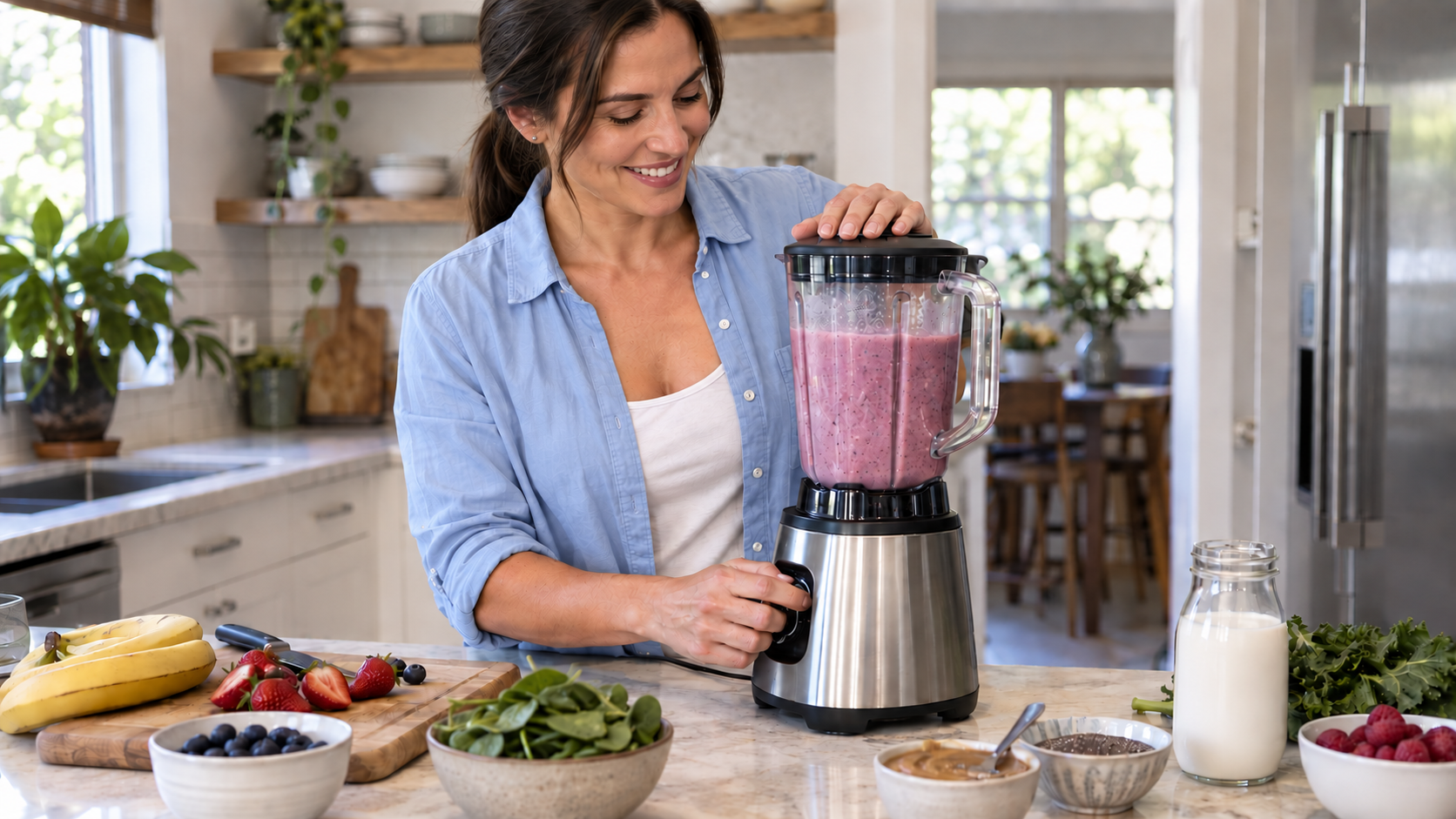
Healthy Smoothies for Women Over 40: What to Add and Why
Discover what to add to healthy smoothies for women over 40, including protein, fiber, healthy fats, berries, greens and simple nutritious ingredients.
Read More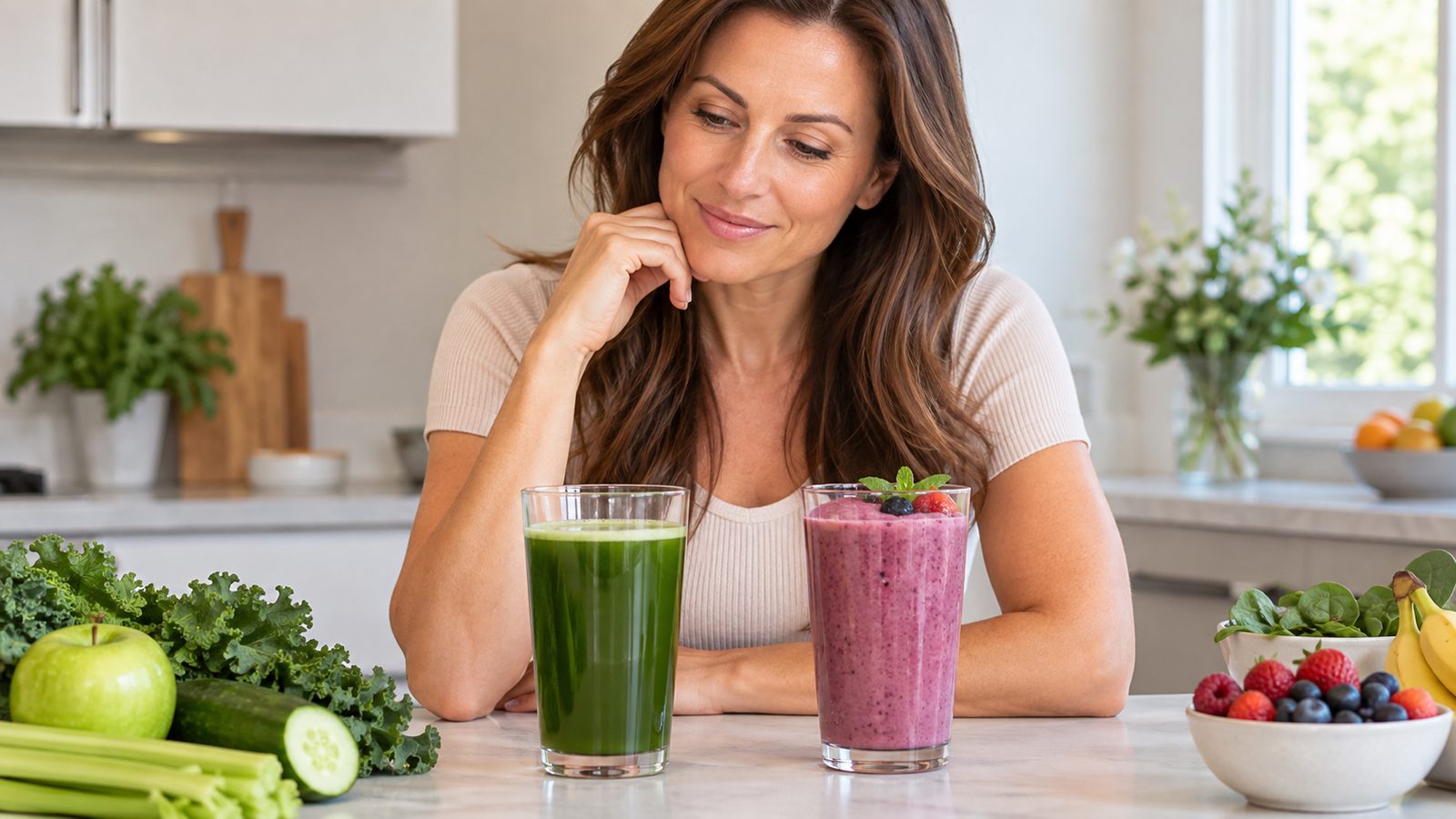
Juicing & Smoothies
Juicing vs. Smoothies: Which Is Better for You?
Juicing vs. smoothies: what's really the difference? Learn how they compare for fiber, nutrients, fullness, sugar and digestion, and when I choose each one.
Read More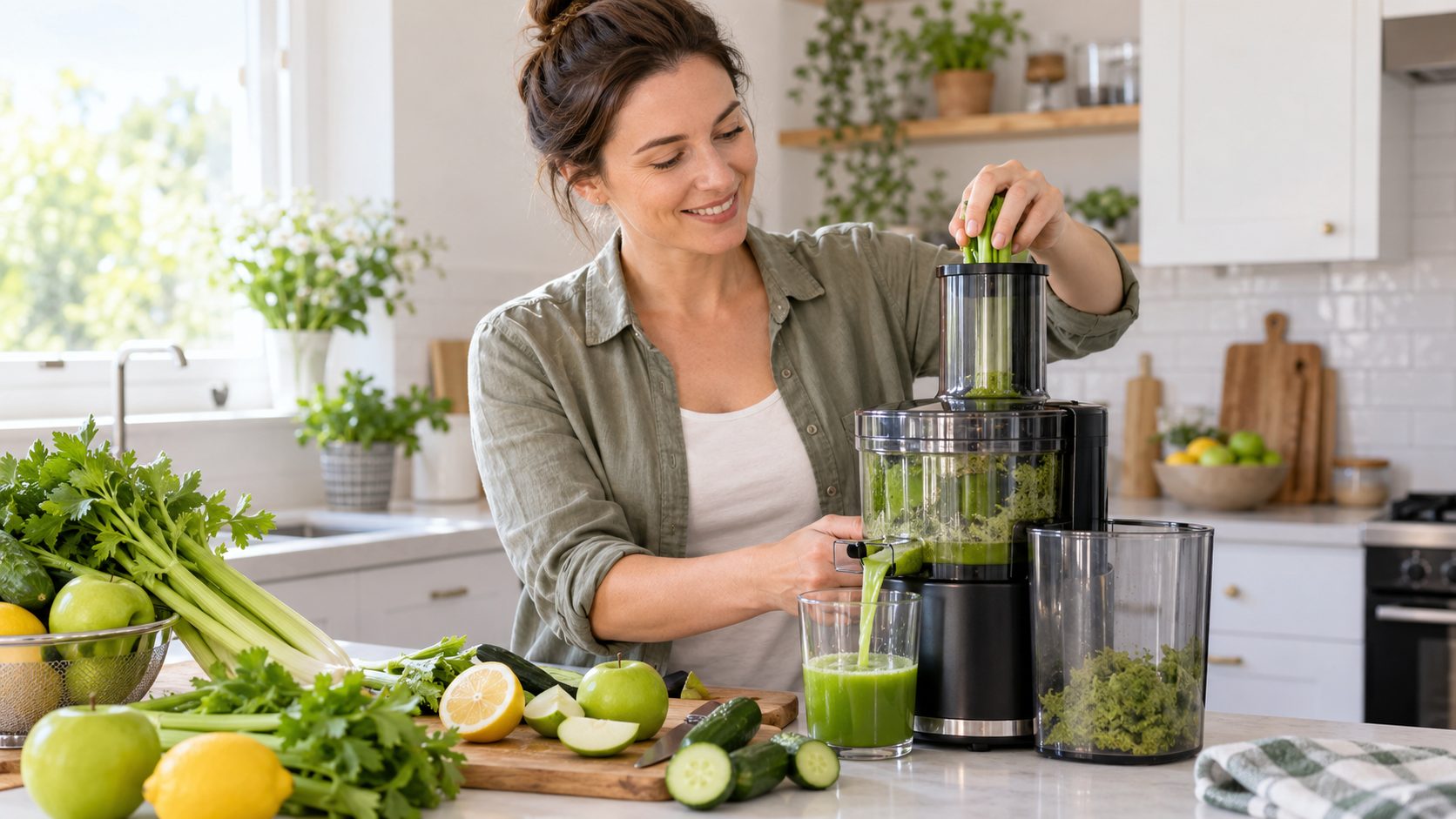
Juicing & Smoothies
Juicing for Beginners: How to Start, What to Juice and Easy Recipes to Try
New to juicing? Here's how I would start, including what fruits and vegetables to use, how to make vegetable juice taste good and three easy recipes to try.
Read More