
Juicing & Smoothies
Is a Vitamix Worth It? What to Know Before You Buy
Is a Vitamix worth the money? Learn what it does better than a regular blender, who may benefit from one, and what to consider before you buy.
By Lena Sokolov

If you've ever looked at the price of a Vitamix and thought, Does a blender really need to cost this much? — you're definitely not the only one.
There are plenty of blenders that cost considerably less. And if all you want to make is an occasional banana-and-strawberry smoothie, you may never need anything more.
But a Vitamix is also capable of doing much more than making smoothies.
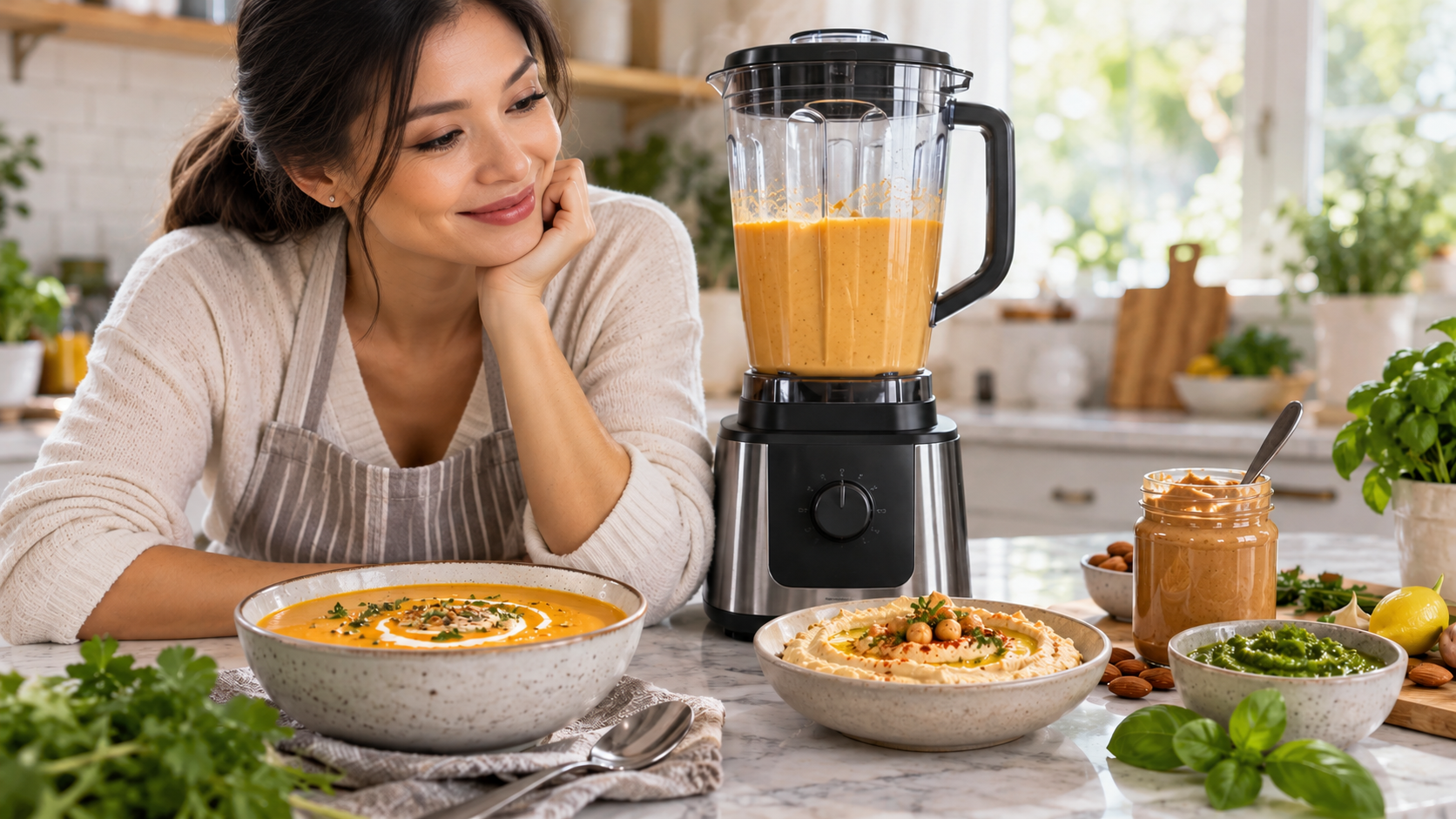
You can use one for creamy vegetable soups, hummus, nut butters, homemade dressings, sauces, frozen fruit desserts, blended whole-food drinks and many other foods.
So is a Vitamix actually worth the money?
I think the answer depends much less on the name on the blender and much more on how you're going to use it.
Here's what I would consider before spending several hundred dollars on one.
Why Are Vitamix Blenders So Expensive?
You're not simply paying for a machine that spins a blade.
Vitamix's full-size blenders are designed to handle demanding ingredients and thick mixtures, with features such as powerful motors, hardened stainless-steel blades, variable-speed control and substantial warranties.
Depending on the model, Vitamix currently offers warranties ranging from about five to ten years.
That's important because when I'm deciding whether an expensive kitchen appliance is worth buying, I don't only look at the purchase price.
I also want to know:
- How often will I use it?
- How many jobs can it replace?
- How well does it perform those jobs?
- And is it designed to stay in my kitchen for years rather than being replaced quickly?
Those questions matter more to me than simply finding the blender with the lowest price.
What Does a Vitamix Do Better Than a Regular Blender?
There are plenty of good blenders on the market.
But one of the places a high-powered blender can really make a difference is with ingredients that are difficult to blend smoothly.
Think about:
- Kale and other fibrous greens
- Frozen fruit
- Nuts and seeds
- Ice
- Thick hummus
- Nut butter
- Frozen desserts
- Smooth vegetable purées
A basic blender may handle softer fruits, yogurt and liquid beautifully.
The difference becomes more noticeable when you start asking the machine to process tougher ingredients or very thick mixtures.
Texture matters too.
If you've ever made a green smoothie and ended up chewing little pieces of kale, you know exactly what I mean.
For me, one of the biggest advantages of a powerful blender is being able to put whole ingredients into it and get a smooth, consistent result.
A Vitamix Can Do Much More Than Make Smoothies
This is probably the biggest reason I think a Vitamix can make sense for someone interested in healthy eating.
If it were only a very expensive smoothie maker, I would have a much harder time justifying the price.
But smoothies are only one use.
Depending on what you eat, you can use a Vitamix for things such as:
- Creamy vegetable soups
- Hummus
- Nut and seed butters
- Salad dressings
- Pesto
- Sauces and marinades
- Salsa and dips
- Non-dairy milks
- Frozen fruit desserts
- Whole-food blended drinks
- Batters
- Grinding certain dry ingredients
I've written a separate guide about this because there are so many possibilities: What Can You Make in a Vitamix? 10 Healthy Ideas Beyond Smoothies.
And if smoothies are your main reason for considering one, you may also want to read Healthy Smoothies for Women Over 40: What to Add and Why.
The more of these foods you genuinely make, the easier it becomes to understand the value of having one powerful appliance that can handle several jobs.
What About Hot Soup?
This is one of the Vitamix features that can sound almost too good to be true.
Certain Vitamix blenders can take prepared soup ingredients and, through the friction created by the rapidly moving blades, blend them until the soup becomes steaming hot.
But there's an important distinction.
The blender doesn't sauté your onions or roast your vegetables.
Depending on the recipe, some ingredients may need to be cooked first.
The Vitamix then blends everything into a very smooth consistency and can heat the mixture as it continues blending.
I think that's much more useful than pretending the blender magically replaces the entire cooking process.
Do You Need the Most Expensive Vitamix?
Probably not.
Vitamix has several blender lines at different price points, and the more expensive machines often add convenience features such as automatic programs, digital controls and additional settings.
Those features may be wonderful if you'll actually use them.
But they don't automatically mean that everyone needs the most expensive machine.
If your priorities are excellent smoothies, soups, hummus, sauces, nut butter and other everyday foods, you may care much more about the core blending performance than having numerous preset programs.
This is one area where I would think carefully before buying.
Don't automatically assume:
Most expensive = best choice for me.
Instead ask:
Which features will I actually use?
How Long Does a Vitamix Last?
You'll find plenty of stories online from people who say they've owned their Vitamix for many years.
But I don't think it's responsible to promise that every Vitamix will last a particular number of years.
A better thing to look at is the warranty.
Depending on the model, Vitamix currently offers warranties ranging from approximately five to ten years on its full-size machines.
That doesn't guarantee how long your individual blender will ultimately last, but a substantial manufacturer's warranty is worth considering when comparing an expensive appliance with a less expensive alternative.
If I'm paying more upfront, I want to know the company is willing to stand behind the product for a meaningful period of time.
Who Is Most Likely to Get Their Money's Worth?
I think a Vitamix makes the most sense for someone who will actually use its versatility.
For example, if you regularly make several of these:
- Smoothies with frozen fruit or leafy greens
- Protein smoothies
- Vegetable soups
- Hummus and dips
- Nut butter
- Homemade salad dressing
- Pesto and sauces
- Frozen fruit desserts
- Whole-food blended drinks
then the machine isn't serving one purpose.
It's becoming one of the appliances you regularly reach for.
That's a very different value proposition from buying an expensive blender that you pull out twice a month.
Who Probably Doesn't Need a Vitamix?
Not everyone needs one.
If you make a basic smoothie occasionally using ingredients such as banana, strawberries, yogurt and milk, a less expensive blender may do everything you need.
The same applies if you already own appliances that perform most of these jobs and you're happy using them.
And if you're primarily making one small smoothie for yourself, a good personal blender may be more convenient and take up less space.
There's nothing healthier about owning an expensive blender.
The value comes from what the appliance helps you actually do.
What About a Certified Reconditioned Vitamix?
This is an option I think more people should know about.
Vitamix sells certified reconditioned machines that have been inspected and reconditioned for resale.
Depending on availability and model, these can cost noticeably less than buying the equivalent machine new.
They also come with warranties, although the warranty length can differ from that of a new machine.
If you want Vitamix performance but are uncomfortable with the price of a new model, checking the company's certified reconditioned options may be worth considering.
Just make sure you're comparing the specific model, included accessories and warranty rather than looking at price alone.
Think About Cost Per Use, Not Just Purchase Price
Here's another way I like to think about expensive kitchen appliances.
Imagine two people buy the same blender.
One uses it twice a month.
The other uses it five times a week for smoothies, soup, hummus, dressings and sauces.
They paid the same amount, but they're getting completely different value from that purchase.
That's why I wouldn't decide whether a Vitamix is worth it based on price alone.
Before buying one, I would make a quick mental list:
What would I realistically make in this every week?
If you struggle to think of more than one thing, that tells you something.
If you immediately think of six or seven foods you already eat regularly, that tells you something too.
Can a Vitamix Help You Eat Healthier?
A blender itself doesn't make your diet healthy.
You can make a smoothie filled with fruits, vegetables, yogurt and seeds — or you can make something closer to dessert.
You can use a Vitamix to make homemade hummus and vegetable soup — or never use it at all.
The appliance isn't the healthy part.
What I find useful is that a good blender can make certain whole foods easier and more convenient to prepare.
Frozen berries can become a smoothie.
Vegetables can become soup.
Chickpeas can become hummus.
Nuts can become nut butter.
Fresh herbs can become pesto or dressing.
Frozen fruit can become dessert.
Anything that makes nutritious foods easier to prepare has the potential to become useful — but only if it fits the way you actually live and eat.
So, Is a Vitamix Worth It?
For some people, absolutely.
For others, probably not.
If you're going to use a Vitamix several times a week for smoothies, soups, hummus, sauces, nut butter, frozen foods and other recipes, its performance and versatility can make the higher upfront price much easier to justify.
If you're mainly making an occasional simple smoothie, a less expensive blender may be all you need.
That's why I wouldn't buy a Vitamix simply because it's considered a premium blender.
I'd buy one because I knew what I wanted to make with it.
For me, that's the better way to think about almost any kitchen appliance:
Don't ask only what it can do. Ask how often you're actually going to use what it can do.
And if the answer is several times a week, investing in a well-made appliance that handles many different jobs starts to make a lot more sense.
Product features, warranties, models and prices can change over time. Check the manufacturer's current information before purchasing. This article is for general informational purposes and is not individualized nutrition or medical advice.
You Might Also Like
Juicing & Smoothies
What Can You Make in a Vitamix? 10 Healthy Ideas Beyond Smoothies
What can you make in a Vitamix besides smoothies? Discover 10 practical ideas including soups, hummus, nut butter, dressings, sauces and frozen fruit desserts.
Read More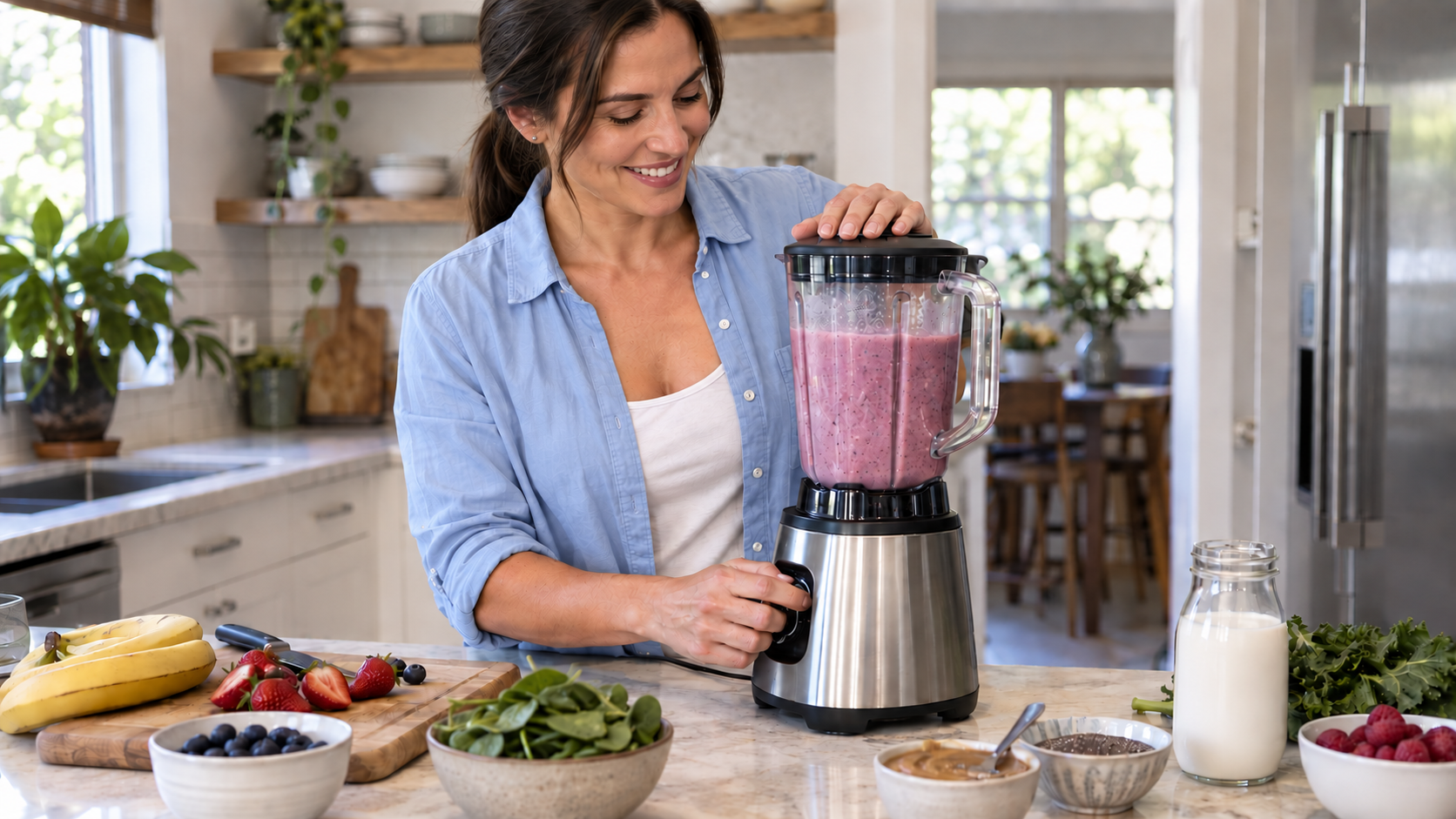
Juicing & Smoothies
Healthy Smoothies for Women Over 40: What to Add and Why
Discover what to add to healthy smoothies for women over 40, including protein, fiber, healthy fats, berries, greens and simple nutritious ingredients.
Read More
Juicing & Smoothies
Juicing vs. Smoothies: Which Is Better for You?
Juicing vs. smoothies: what's really the difference? Learn how they compare for fiber, nutrients, fullness, sugar and digestion, and when I choose each one.
Read More